
CURRENT PROJECT
Title: The Ineffable Word: Absence and Negation in Modernist and Contemporary American Ecopoetics
A research project exploring how silence, absence, and negation shape poetic responses to ecological crisis. Challenging dominant approaches that privilege description, mastery, and human-centred meaning, the project draws on ecopoetics and mystical traditions to examine how poetry engages what exceeds language, including loss, uncertainty, and more-than-human relations. Through practices such as omission, fragmentation, and unsaying, it traces how poetic form approaches environmental experience at the limits of representation, opening space for reflection on humility, attentiveness, and ethical relation in a damaged world.
COLLABORATIVE RESEARCH PROJECTs
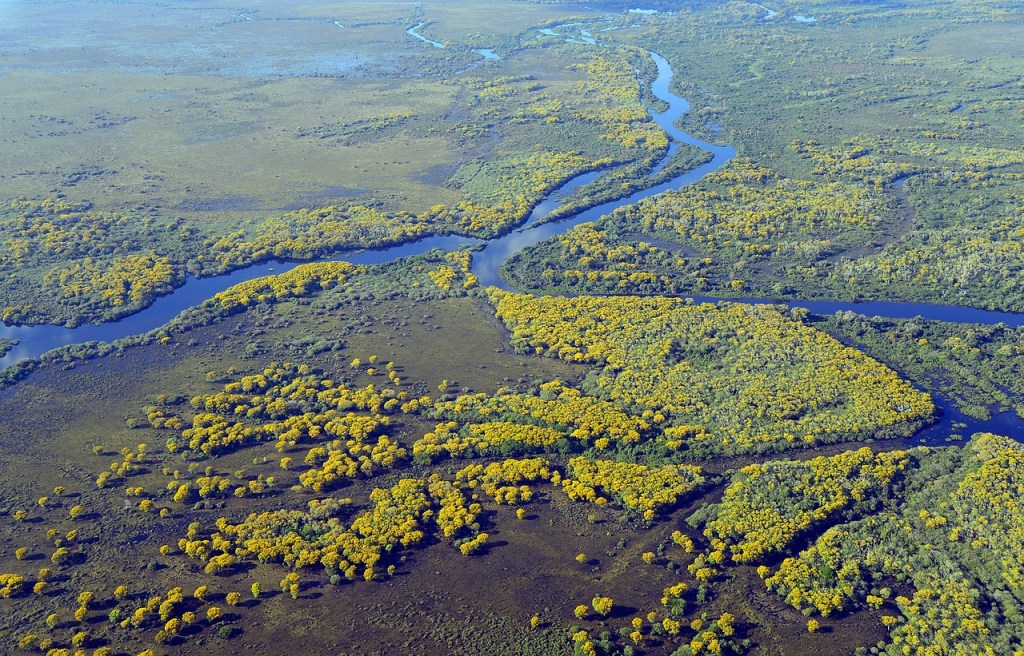
Title: Wetland Times
2024-2025
The Wetland Times project is funded by the British Academy as part of the Knowledge Frontiers: International Interdisciplinary Research programme. Principal Investigators are Dr Nicola Thomas (University of Lancaster) and Blake Ewing (University of Nottingham).
Time is central to conversations about climate change and conservation practice in the Anthropocene, which unsettles human narratives of progress, development, and freedom. But the accompanying prescription for ‘deep time’ and planetary thinking to solve ecological problems often threatens to dominate and overwrite the messy, locally-specific and culturally sensitive times that underpin the human relationship with nature.
Findings informed conservation and environmental education practices across three main wetland sites – Morecambe Bay, the Wadden Sea, and the Djá Faunal Reserve (Southern Cameroon) – by enriching understanding of time in the Anthropocene, empowering communities to reconsider prevailing temporal narratives, and facilitating knowledge exchange between wetland research and visitor centres.
As Research Associate in Environmental Humanities at Lancaster University, I collected and conducted analysis of relevant literary, cultural, and policy-related material related to all of the case-study sites. I led the data collection phase in both Morecambe Bay and the Wadden Sea, and also conducted research and offered support during the data collection phase in the Djá Faunal Reserve in Southern Cameroon, focusing on the impact of wetland temporalities on traditional ecological knowledge.
Additionally, I am the curator of the Wetland Times Virtual Exhibition, hosted at the Environment & Society Portal, and The Morecambe Bay Audio Archive (forthcoming).
DOCTORAL PROJECT
Title: Cosmological Imaginations: Zen and material ecopoetics in Williams, Moore, Stevens, and Cummings
2018-2021
My doctoral project, funded by the AHRC TECHNE Doctoral Training Partnership, was a study of the impact of Zen Buddhism on early-twentieth-century American poetry and its contribution to current debates on material ecocriticism and definitions of ecopoetics. Much of the research on modernist American poetics emphasises its alleged preference for rationalism and scientific materialism which counters Romantic and idealist notions of nature and the self. However, I demonstrated that, contrary to these views, poets such as William Carlos Williams, Marianne Moore, Wallace Stevens, and E. E. Cummings merge materialism and East Asian spirituality to emphasise the capacity of the poetic imagination in enabling a change in consciousness which is necessary for the revaluation of our relations to non-human beings and environments. Not only does this project contribute to modernist scholarship, but also, as Professor Adeline Johns-Putra has stated, it represents “an important contribution to ecocritical knowledge”, since it argues that the environmental crisis entails both a material and spiritual issue. My findings reveal that the poetic imagination of Williams, Moore, Stevens, and Cummings promotes a change in awareness that foregrounds human material-spiritual relations and interdependence with the non-human or more-than-human. The value of this research also lies in the project’s interdisciplinarity, particularly the revaluation of concepts and canons related to the Environmental Humanities. To complete this research, I spent more than four years studying the philosophies and religious practices of East Asia and its impact on modernist American poetics and on contemporary ecocritical-related theories such as new materialism. My doctoral research exemplifies my longstanding interest in areas such as ecocriticism, ecopoetics, and posthumanism.
 Enaiê Mairê Azambuja